

Early Discovery
Designing the System, Not Just the Interface
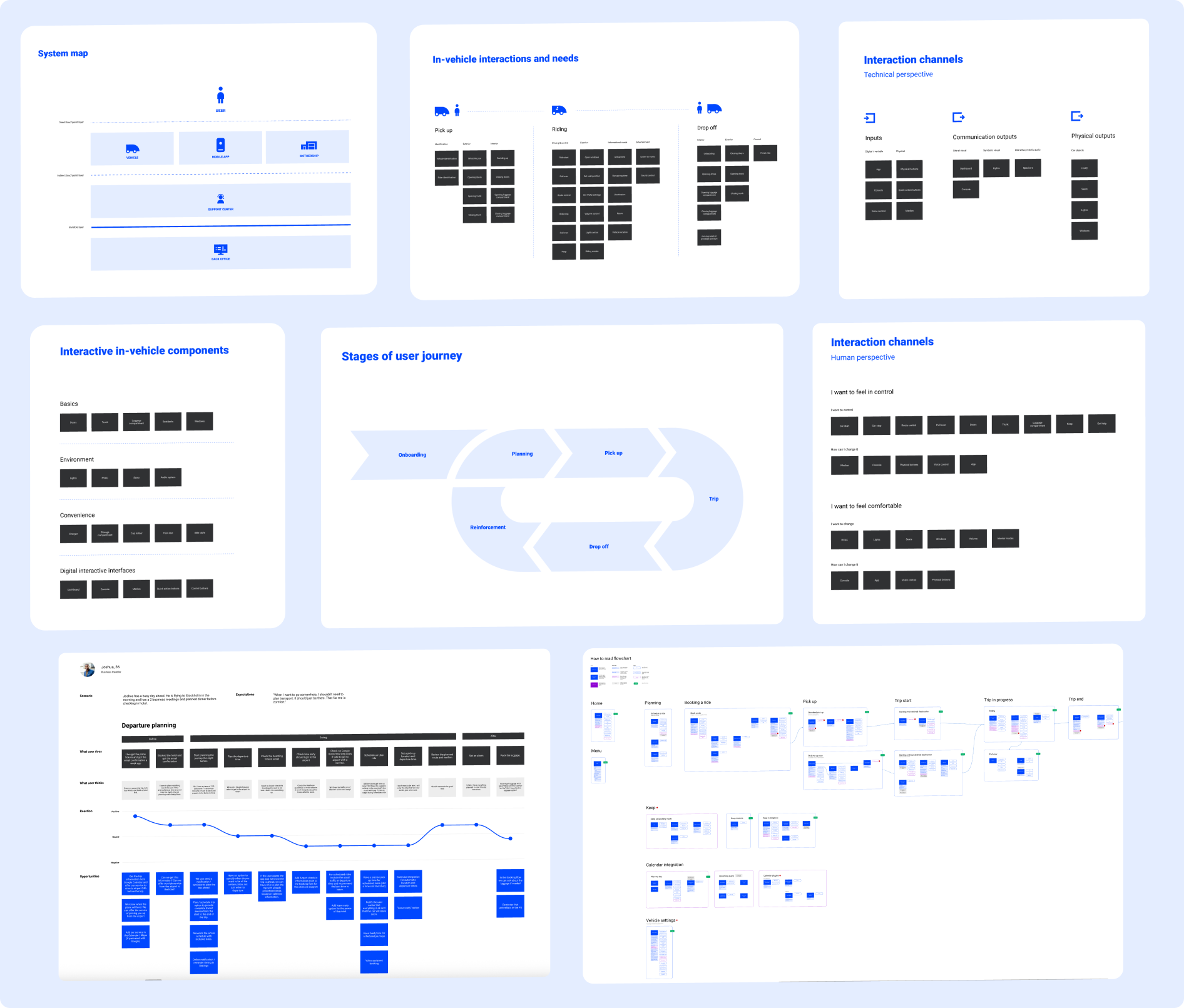
To understand the full scope of the service, we mapped the system end to end, including users, vehicles, support operations, and backoffice processes. These system maps helped reveal dependencies, surface blind spots, and ensure experience decisions made sense beyond a single touchpoint.
This work created a shared structure for discussing complexity and aligned teams around how the service actually functions end to end.
This work created a shared structure for discussing complexity and aligned teams around how the service actually functions end to end.
Workshop Facilitation
Cross functional workshops
I led a series of cross-functional workshops inspired by design sprint principles, bringing together UX, engineering, product, and operations.
The sessions focused on structured exploration, analysis, and clustering of insights to unpack complexity, surface constraints, and align teams around shared problems.
The outcomes formed a common foundation for system design, experience principles, and interaction logic that guided further product and sercice development.
The sessions focused on structured exploration, analysis, and clustering of insights to unpack complexity, surface constraints, and align teams around shared problems.
The outcomes formed a common foundation for system design, experience principles, and interaction logic that guided further product and sercice development.


Conceptual boards, Narrative, Visuals
Experience Vision and Narrative
We explored many experience concepts early on. A recurring theme across the industry, and within the project, was the idea of the robotaxi as a “living room on wheels”.
While useful as a starting point, this metaphor soon felt limiting. It leaned heavily on familiarity, but did not fully reflect how people emotionally experience being in an autonomous space.
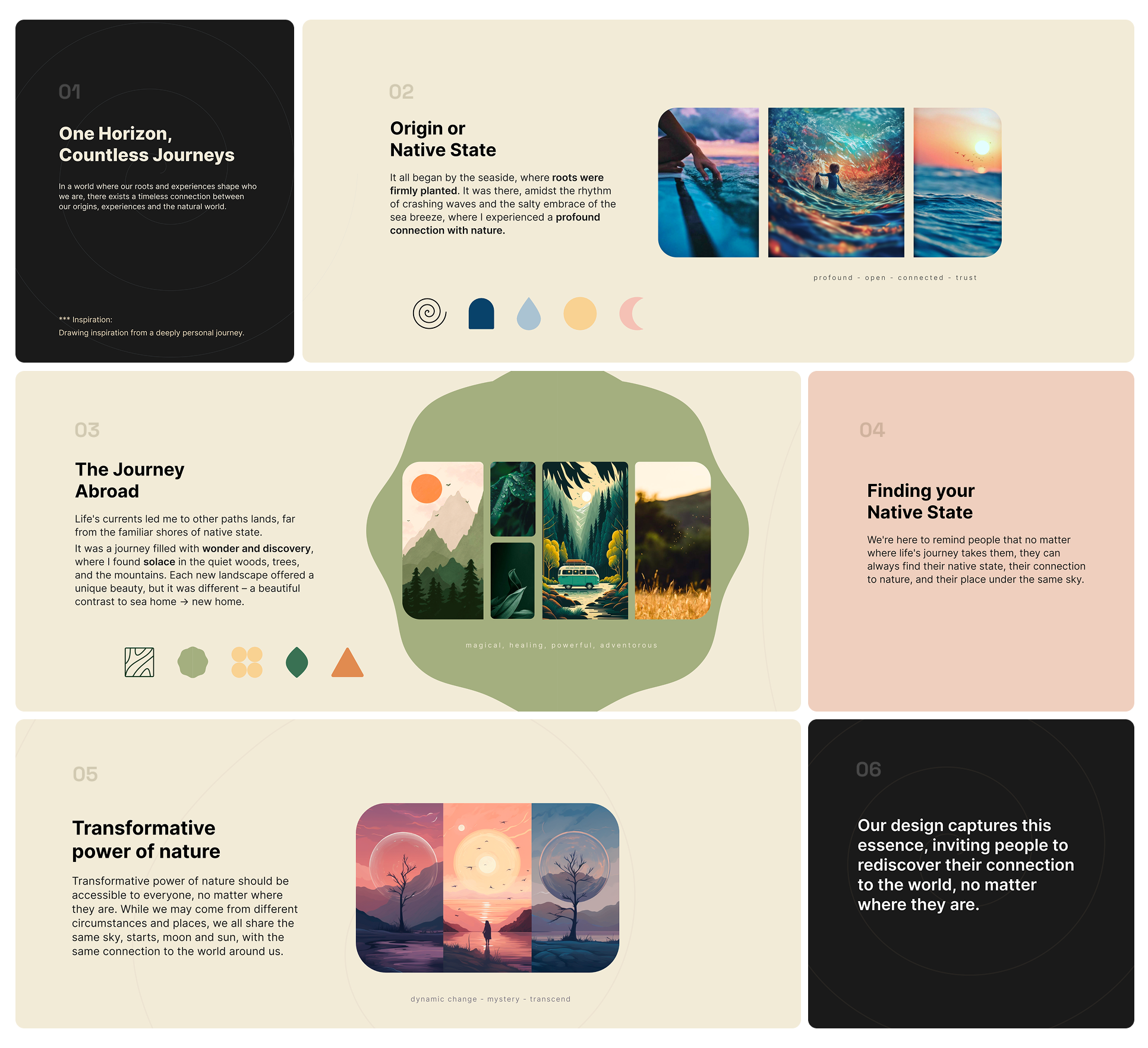
In parallel, I developed an alternative experience concept grounded in more personal yet widely shared human reference points.
Rather than designing a room, this direction drew inspiration from states many people recognize, such as calm, grounding, and openness often found in untouched natural environments. Through iteration, discussion, and validation, this concept proved more reselient and applicable, and ultimately became the foundation for the experience narrative that guided further design decisions.
While useful as a starting point, this metaphor soon felt limiting. It leaned heavily on familiarity, but did not fully reflect how people emotionally experience being in an autonomous space.
In parallel, I developed an alternative experience concept grounded in more personal yet widely shared human reference points.
Rather than designing a room, this direction drew inspiration from states many people recognize, such as calm, grounding, and openness often found in untouched natural environments. Through iteration, discussion, and validation, this concept proved more reselient and applicable, and ultimately became the foundation for the experience narrative that guided further design decisions.
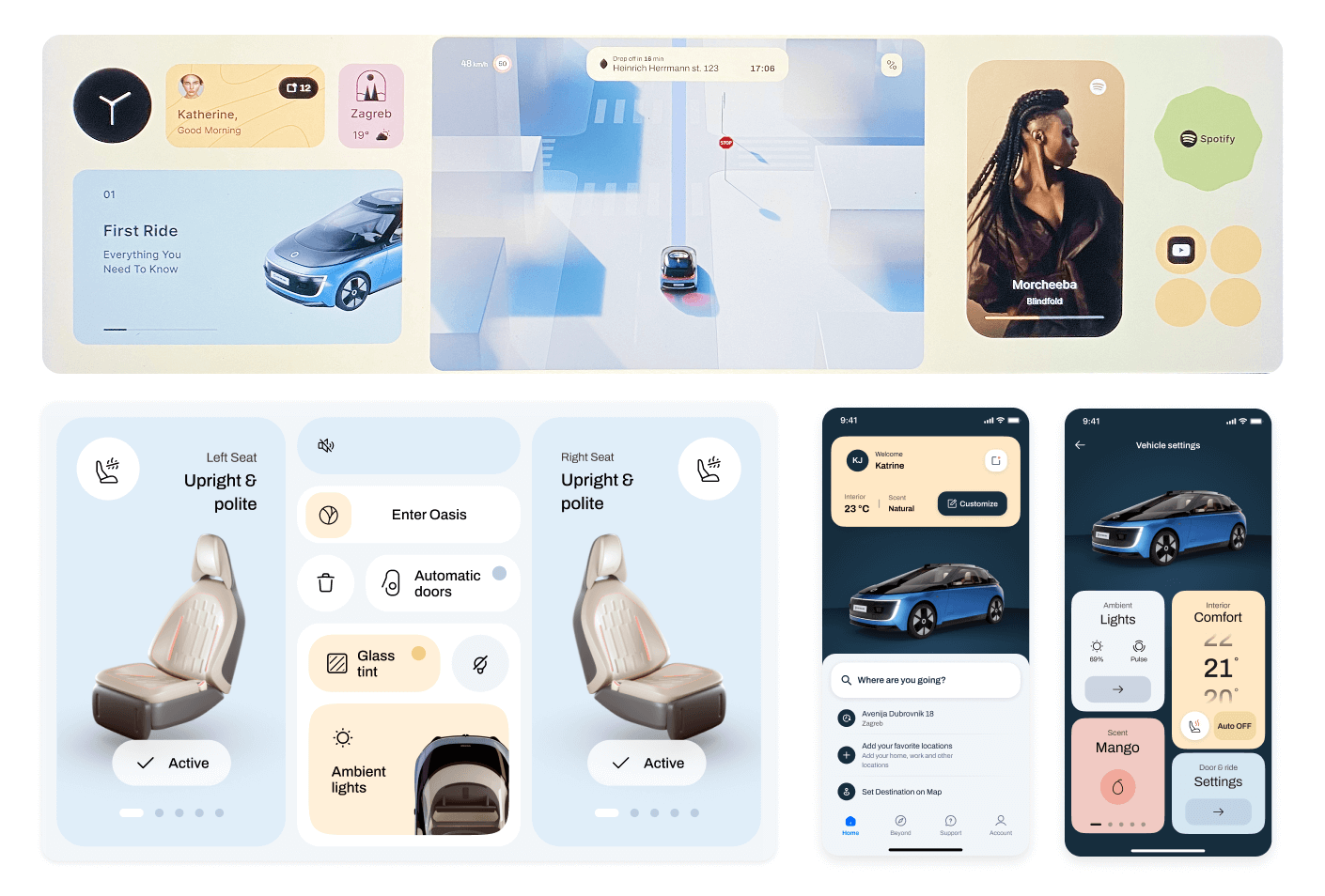
First set of UI concepts application on the HMI and Mobile App
Definition and Framing
Defining Ergonomics and Interaction Logic
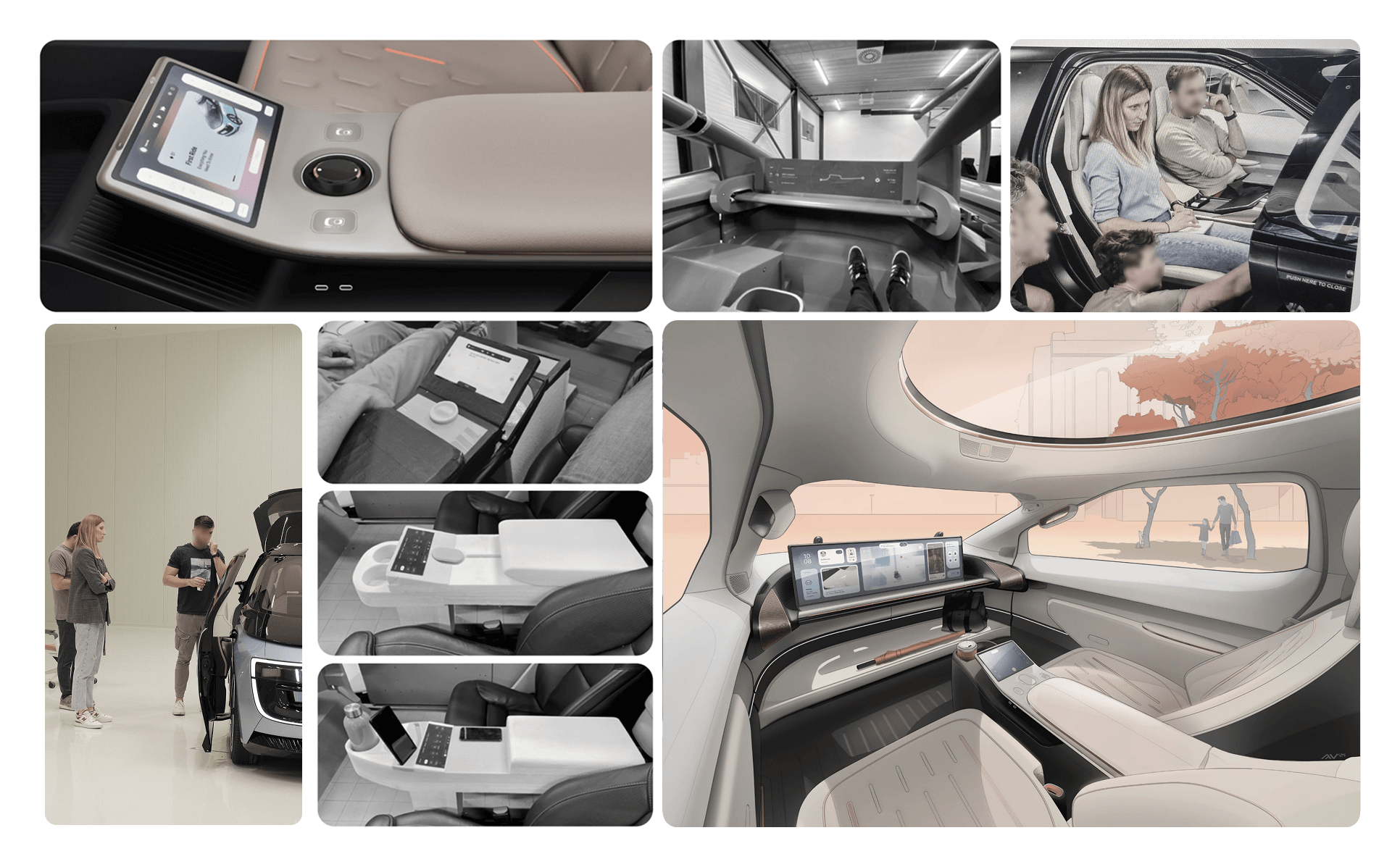
With a clear experience direction and system understanding in place, we focused on how people physically interact with the autonomous cabin.
A dedicated process was established to assess ergonomics and interaction logic. Multiple interior layouts and HMI configurations were explored and iteratively tested to evaluate reach, posture, comfort, attention, and interaction clarity.
This allowed critical interaction decisions to be validated early, before becoming locked into hardware and vehicle architecture.
A dedicated process was established to assess ergonomics and interaction logic. Multiple interior layouts and HMI configurations were explored and iteratively tested to evaluate reach, posture, comfort, attention, and interaction clarity.
This allowed critical interaction decisions to be validated early, before becoming locked into hardware and vehicle architecture.
Production Development
From Exploration to
Production-Ready Experience
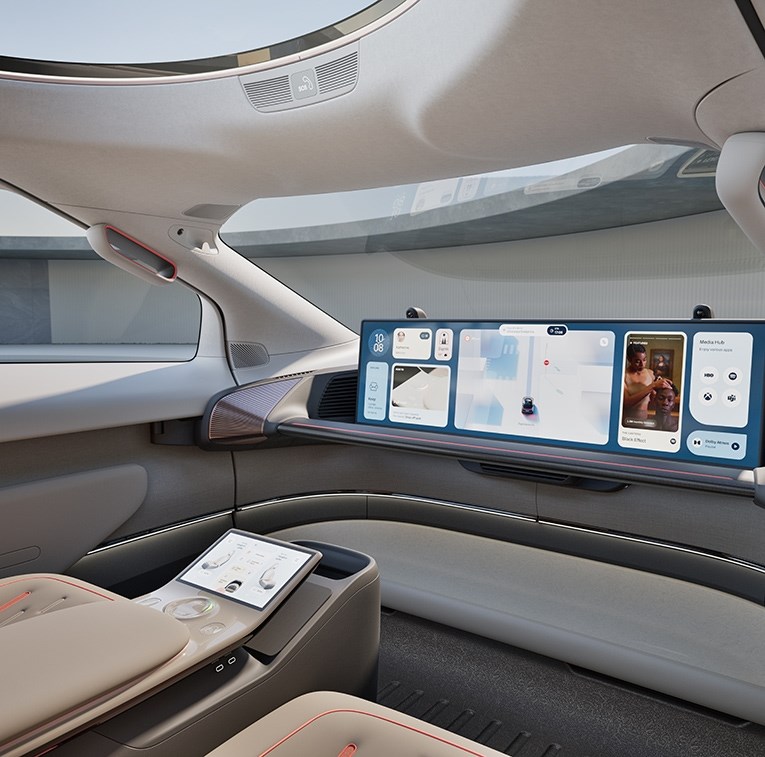
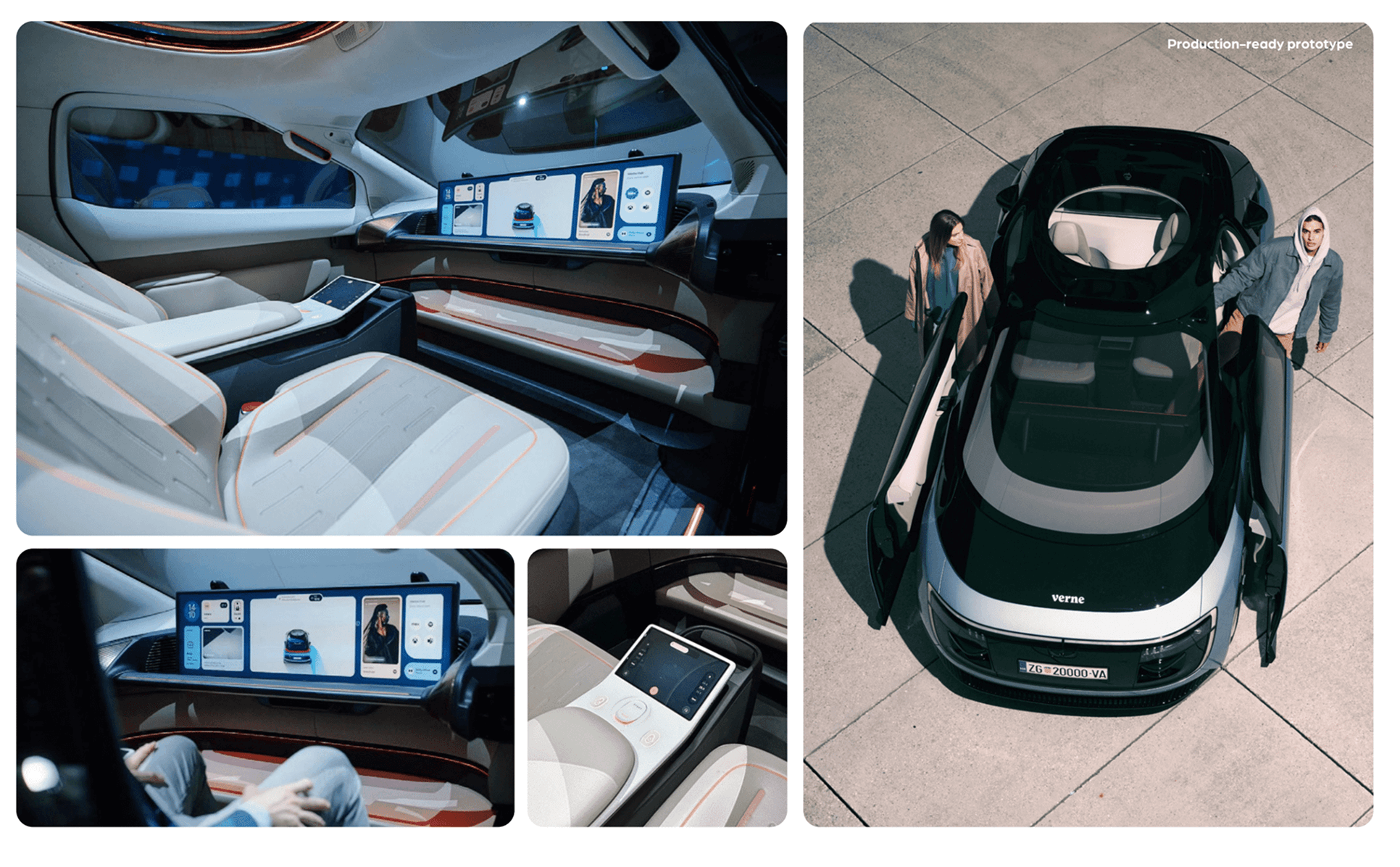
As the project progressed toward production, UX work shifted from exploration to convergence.
Concepts were refined into a cohesive, buildable experience through close collaboration with engineering and suppliers.
Interaction behavior, decisions, and interface logic were adapted to technical, manufacturing, and operational constraints, while preserving the original experience intent.
This phase ensured the work moved beyond concepts into a production-ready vehicle and service experience.
Concepts were refined into a cohesive, buildable experience through close collaboration with engineering and suppliers.
Interaction behavior, decisions, and interface logic were adapted to technical, manufacturing, and operational constraints, while preserving the original experience intent.
This phase ensured the work moved beyond concepts into a production-ready vehicle and service experience.
Showcar Event
Prototyping the Full Interaction System
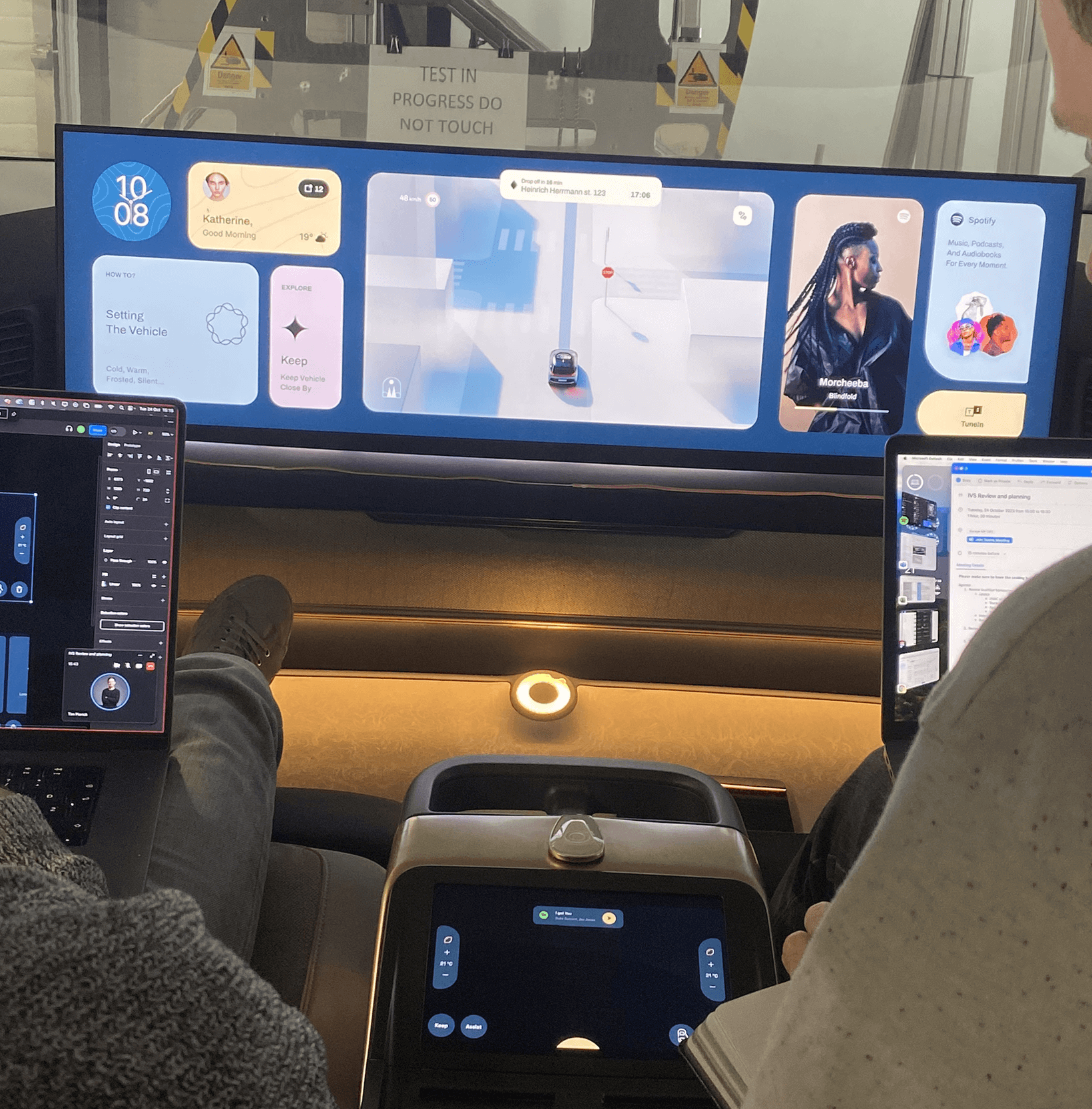
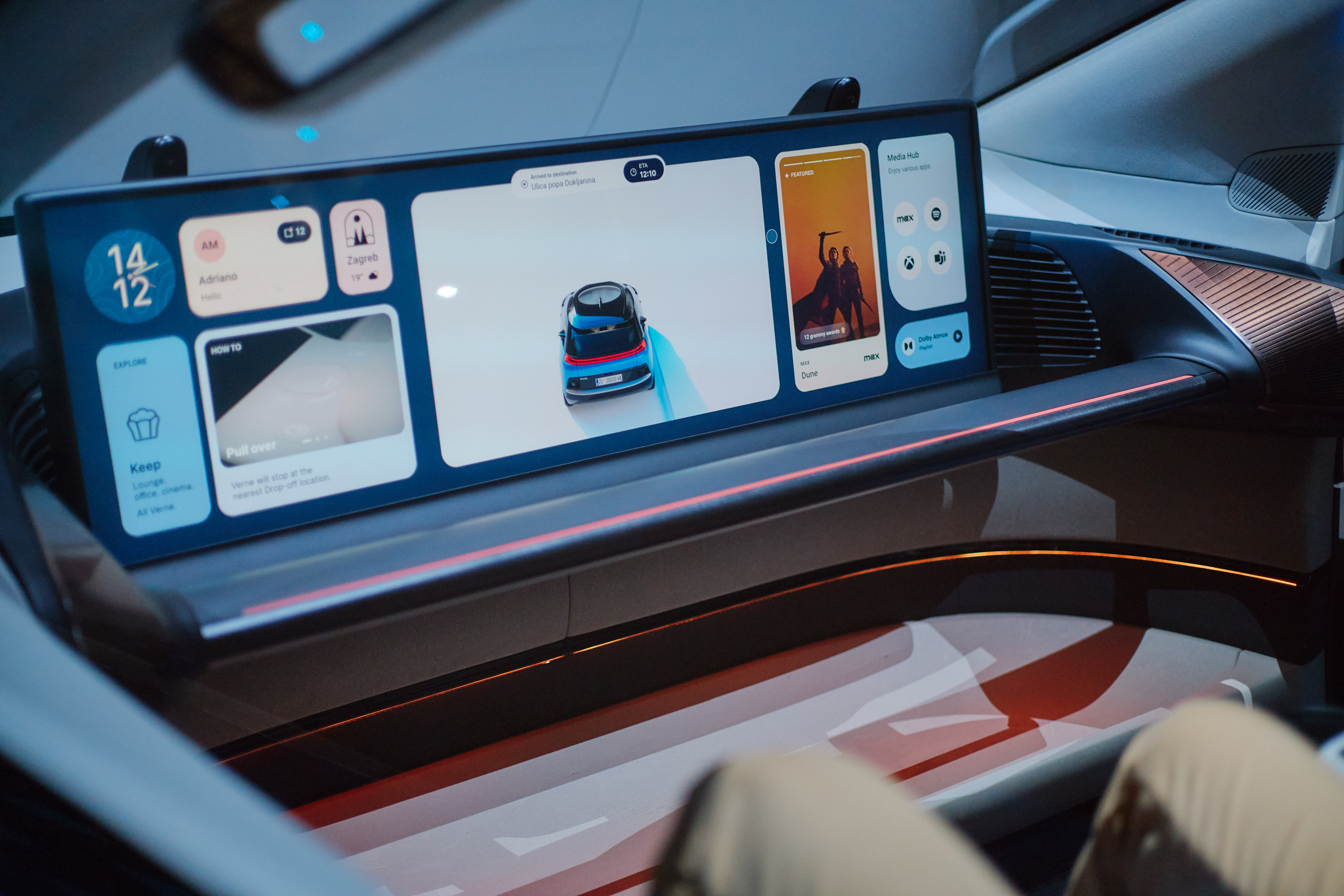
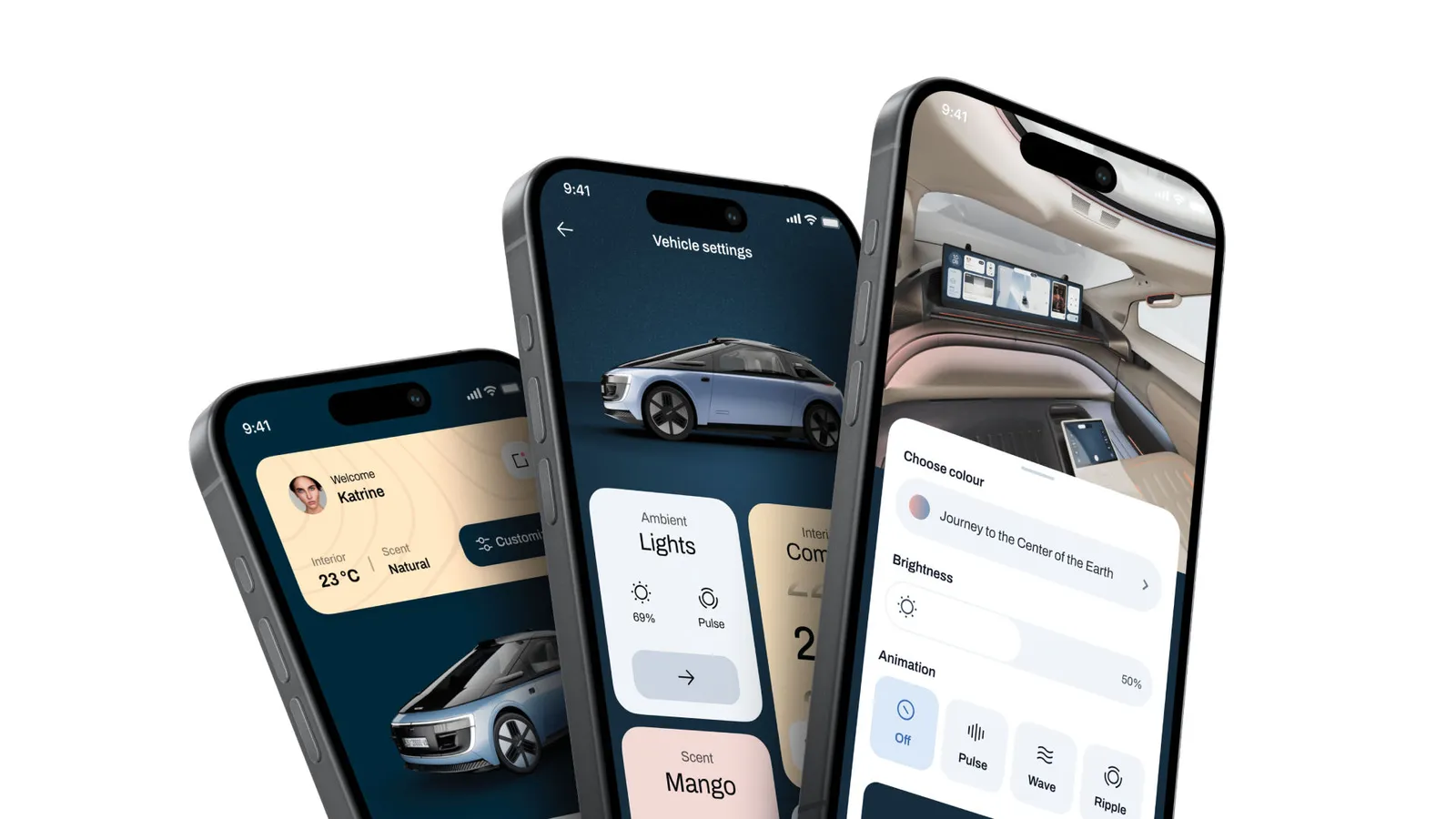
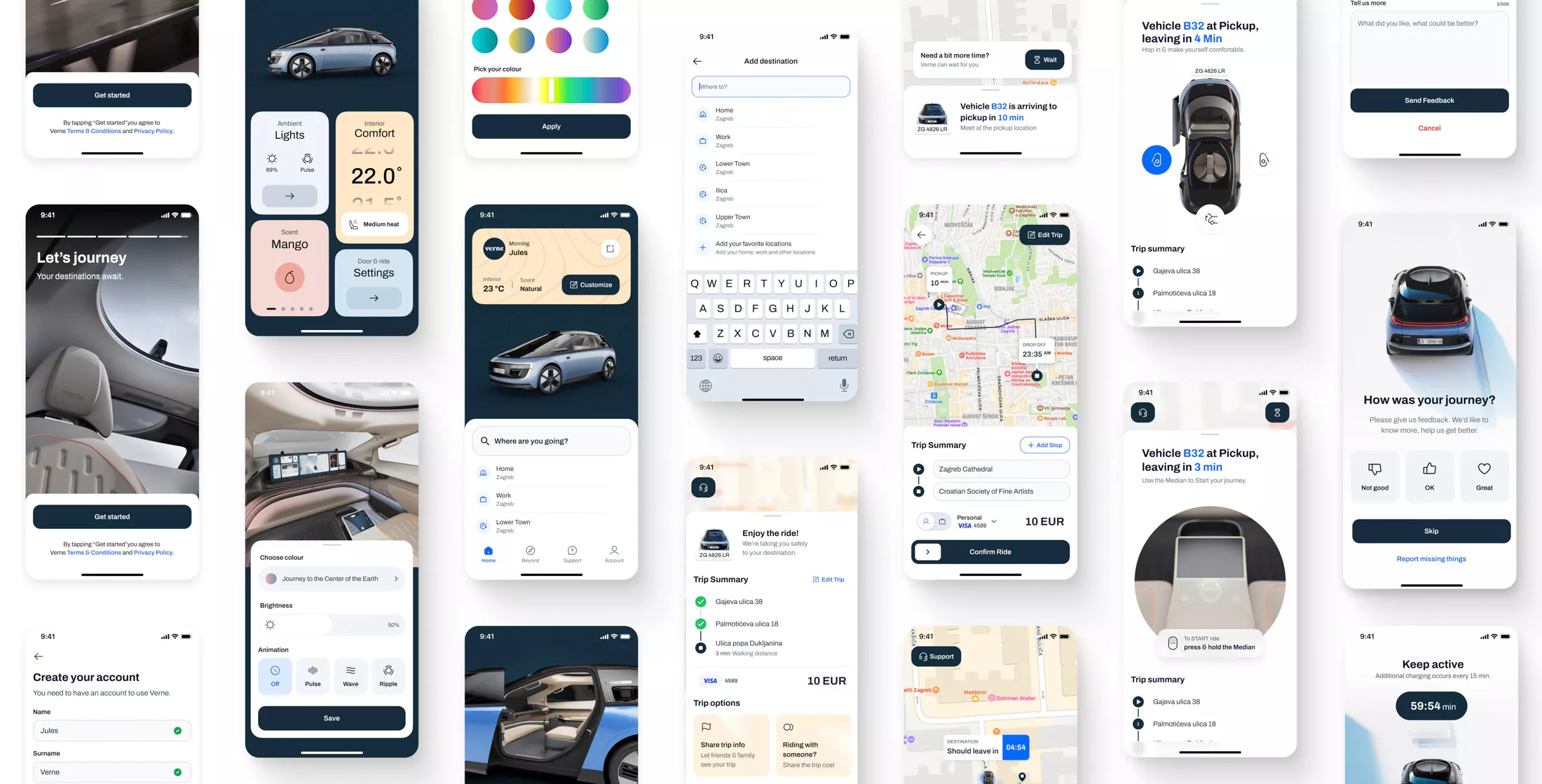
To support the showcar event, I prototyped the full HMI interaction system end to end using ProtoPie. The prototype went beyond screen flows and incorporated variables and state-based logic, developed in close collaboration with engineers and developers.
Actions initiated in the app triggered simulated vehicle responses, enabling communication between different service phases and the car itself. This included interactions such as unlocking doors, adjusting interior lighting, and transitioning between ride states. The prototype served both as a realistic showcase for the event and as a shared tool for validating interaction logic and system behavior before implementation.
Actions initiated in the app triggered simulated vehicle responses, enabling communication between different service phases and the car itself. This included interactions such as unlocking doors, adjusting interior lighting, and transitioning between ride states. The prototype served both as a realistic showcase for the event and as a shared tool for validating interaction logic and system behavior before implementation.
Media Appearances
Public Communications
I represented the project in selected media appearances, explaining both the vehicle and the interaction experience behind it.
This included walking through the interior concept, in-vehicle interactions, and how people communicate with the car across different phases of the service.
These appearances required translating complex UX, HMI logic, and system behavior into clear, accessible explanations suitable for TV and broader media audiences, without losing the intent behind the design decisions. Similar experience was also presented to investors in closed-door sessions.
Despite being naturally more introverted, this became an unexpectedly rewarding part of the work.
This included walking through the interior concept, in-vehicle interactions, and how people communicate with the car across different phases of the service.
These appearances required translating complex UX, HMI logic, and system behavior into clear, accessible explanations suitable for TV and broader media audiences, without losing the intent behind the design decisions. Similar experience was also presented to investors in closed-door sessions.
Despite being naturally more introverted, this became an unexpectedly rewarding part of the work.

Curious to work together?
Get in touch


